
Mechanical Systems at the Center of Atlanta’s Airport Expansion
Few infrastructure projects in the United States rival the scale, complexity, and economic impact of the expansion underway at Hartsfield-Jackson Atlanta International Airport. As the world’s busiest airport continues to modernize and expand through long-term capital planning initiatives, mechanical systems play a critical role in ensuring these projects deliver reliability, efficiency, and uninterrupted operations.
Airport expansion is not simply about adding square footage. It is about upgrading and integrating the mechanical backbone that supports terminals, concourses, cargo operations, ground transportation, and passenger amenities—often while the facility remains fully operational.
For mechanical contractors, this environment demands precision, coordination, and experience delivering complex systems in mission-critical settings.
Terminal Expansion and HVAC Modernization
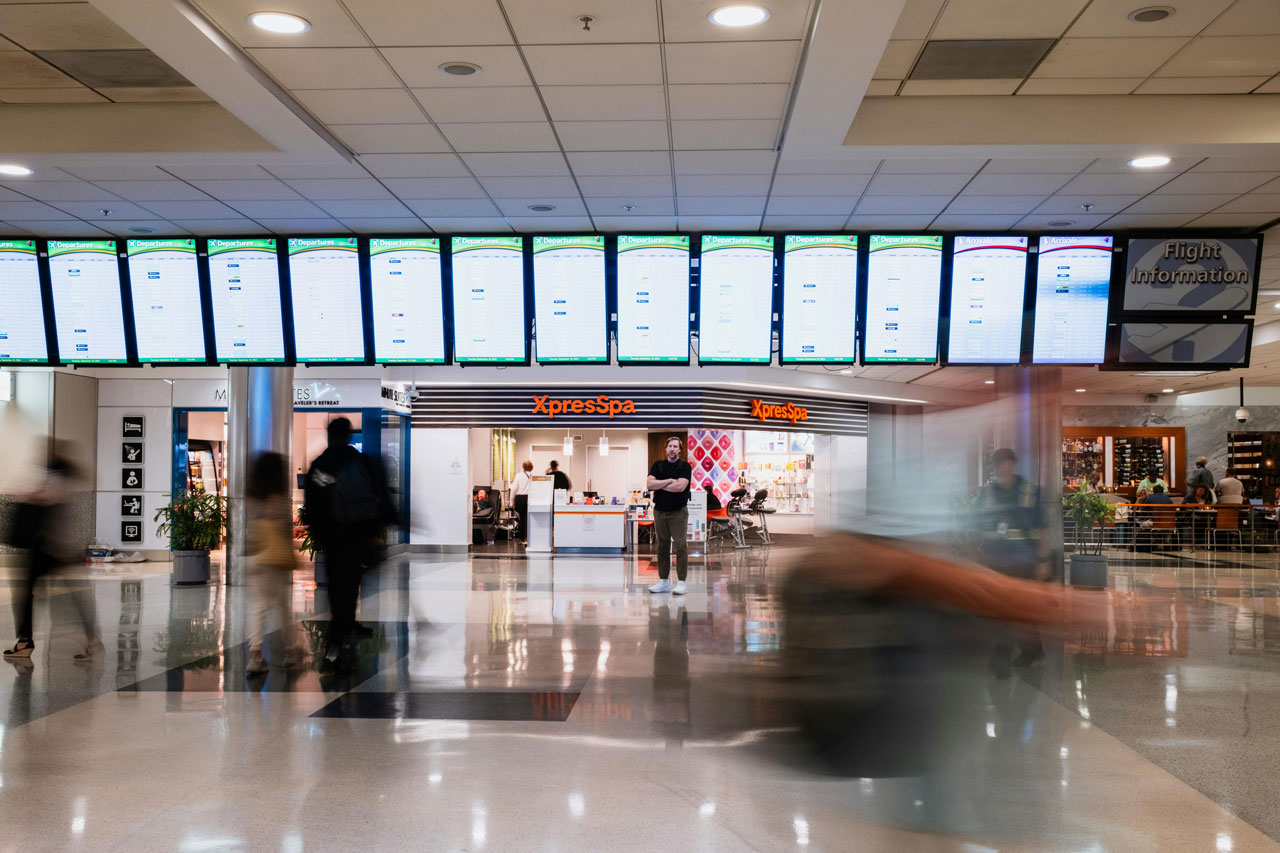
Terminal and concourse expansion is a central component of Atlanta’s long-term airport planning. As passenger volumes increase, terminals must accommodate higher occupancy while maintaining consistent comfort, air quality, and energy performance.
Mechanical services critical to these projects include:
- Large-scale HVAC system installation for new and renovated terminal space
- Temperature and humidity control across high-traffic passenger areas
- Integration with architectural, structural, and electrical scopes
Airport terminals operate around the clock, meaning mechanical systems must be designed for durability, redundancy, and maintainability. Installation work often occurs in tight windows and active environments, requiring contractors who understand how to phase work without disrupting airport operations.
Midsouth Mechanical’s experience with large-scale HVAC systems and self-perform installation supports terminal projects where performance and schedule certainty are paramount.
Chilled Water and Process Piping Infrastructure
As terminals and concourses expand, so does demand on central cooling infrastructure. Airports rely heavily on chilled-water plants and extensive hydronic piping networks to distribute cooling across vast facilities.
Mechanical services that support this effort include:
- Chilled-water piping and hydronic distribution systems
- Process piping installation for thermal plants and support systems
- Redundant piping strategies to maintain service during maintenance or expansion
Unlike many commercial facilities, airports cannot tolerate downtime. Mechanical systems must be installed and tied in with careful sequencing, testing, and coordination to ensure continuous operation.
Midsouth Mechanical’s expertise in precision piping, quality control, and phased execution directly supports the reliability requirements of airport infrastructure.
Cargo Facilities and Industrial Mechanical Systems
Atlanta’s airport master planning also emphasizes cargo expansion and reconfiguration to support growing freight volumes. Cargo buildings and logistics facilities introduce a different set of mechanical demands compared to passenger terminals.
Relevant mechanical services include:
- HVAC systems for large-volume, high-bay cargo spaces
- Mechanical support for temperature-controlled storage and handling zones
- Energy-efficient systems designed for irregular occupancy and operating schedules
These facilities often resemble industrial environments more than traditional commercial buildings, making industrial mechanical experience a key differentiator.
Midsouth Mechanical’s background in industrial and heavy commercial projects positions the company to support cargo facilities that require robust, durable mechanical systems.
Parking Structures and Landside Infrastructure
Airport expansion is not limited to airside facilities. Landside improvements—including replacement parking garages, transportation hubs, and service areas—are critical to managing traffic flow and passenger access.
Mechanical services relevant to these projects include:
- Ventilation systems for enclosed parking structures
- Mechanical infrastructure for transit, shuttle, and service facilities
- Integration with fire protection and life-safety systems
While these systems may be less visible to passengers, they are subject to strict safety and performance standards and must be carefully coordinated with structural and civil work.
Utilities, Site Infrastructure, and Underground Mechanical Scope
Large airport projects involve extensive underground and site-wide utilities that support terminals, concourses, and support buildings. Mechanical contractors play a key role in installing and coordinating these systems.
Typical scopes include:
- Underground piping for chilled water, fire protection, and mechanical utilities
- Coordination with civil construction to avoid conflicts and delays
- Planning for future expansion and system scalability
These foundational systems are difficult and costly to modify once installed, making precision execution essential.
Phased Construction in an Active Airport Environment
Perhaps the greatest challenge in airport expansion is delivering new infrastructure while maintaining continuous operations. Mechanical systems must often be installed, modified, or replaced in phases—sometimes during overnight windows or constrained shutdowns.
Key capabilities that support this work include:
- BIM coordination and clash detection with other trades
- Detailed phasing and sequencing plans
- Rigging and placement of large mechanical equipment in restricted environments
Midsouth Mechanical’s integrated project delivery approach helps reduce risk in these complex scenarios by aligning planning, installation, and quality control under one mechanical partner.
Supporting the Future of Aviation Infrastructure
Atlanta’s airport expansion represents the kind of infrastructure investment that defines regional and national growth. Behind the terminals, concourses, and cargo facilities is a network of mechanical systems that quietly ensure safety, comfort, and reliability for millions of passengers each year.
For mechanical contractors, aviation projects demand the same core competencies required in other mission-critical environments: precision, redundancy, coordination, and execution under pressure.
As airports continue to modernize and expand, mechanical expertise will remain a foundational element of successful construction—and a key contributor to infrastructure that performs for decades to come.
Our team is here to help.
Contact a project manager today!