
Modernizing Sanitary Piping in Atlanta’s Growing Food Industry
Atlanta has always been a crossroads city — a place where ingredients, people, and ideas move quickly. It’s no surprise, then, that the region has become one of the Southeast’s most vibrant food- and beverage-processing hubs, home to everything from iconic bakery brands to beverage bottling lines, poultry operations, dairy processors, and fast-growing specialty food startups. As these facilities scale to keep up with consumer demand, they’re discovering that sanitary process piping is no longer simply a back-of-house mechanical system. It’s a strategic linchpin that determines production reliability, regulatory compliance, and the pace at which a plant can innovate.
Over the last few years, the Atlanta market has seen a wave of reinvestment in food production. King’s Hawaiian recently expanded its northeast Georgia bakery lines, adding new production capacity and creating renewed attention on high-purity piping and hygienic processes. Closer to the city center, engineers converted a warehouse in Atlanta into a modern food-processing facility, a transformation that required the entire backbone of the building to be upgraded — including culinary water systems, CIP lines, stainless-steel manifolds, and utility tie-ins suited for food-safety audits. These projects illustrate a larger pattern: Atlanta’s growth isn’t just in building new facilities; it’s in revitalizing and elevating existing spaces to meet today’s sanitary expectations.
For established plants in Atlanta, the push toward higher purity often begins with addressing aging piping systems that were built for a different production era. Many of these systems run behind walls, beneath mezzanines, or through utility corridors that haven’t been touched in years. Bringing them up to USDA and FDA standards means understanding what condition they’re in, how they interact with present production lines, and whether they can support newer automated sanitation processes. That’s where modern scanning and assessment tools make a meaningful difference. By capturing a facility through 3-D laser scanning and converting those point clouds into a digital twin, engineers and plant leadership can see the entire sanitary piping network without shutting down lines or opening up walls. It’s a little like turning the lights on in a dimly lit basement — problems that were once hidden become manageable, and upgrades become easier to plan with confidence.
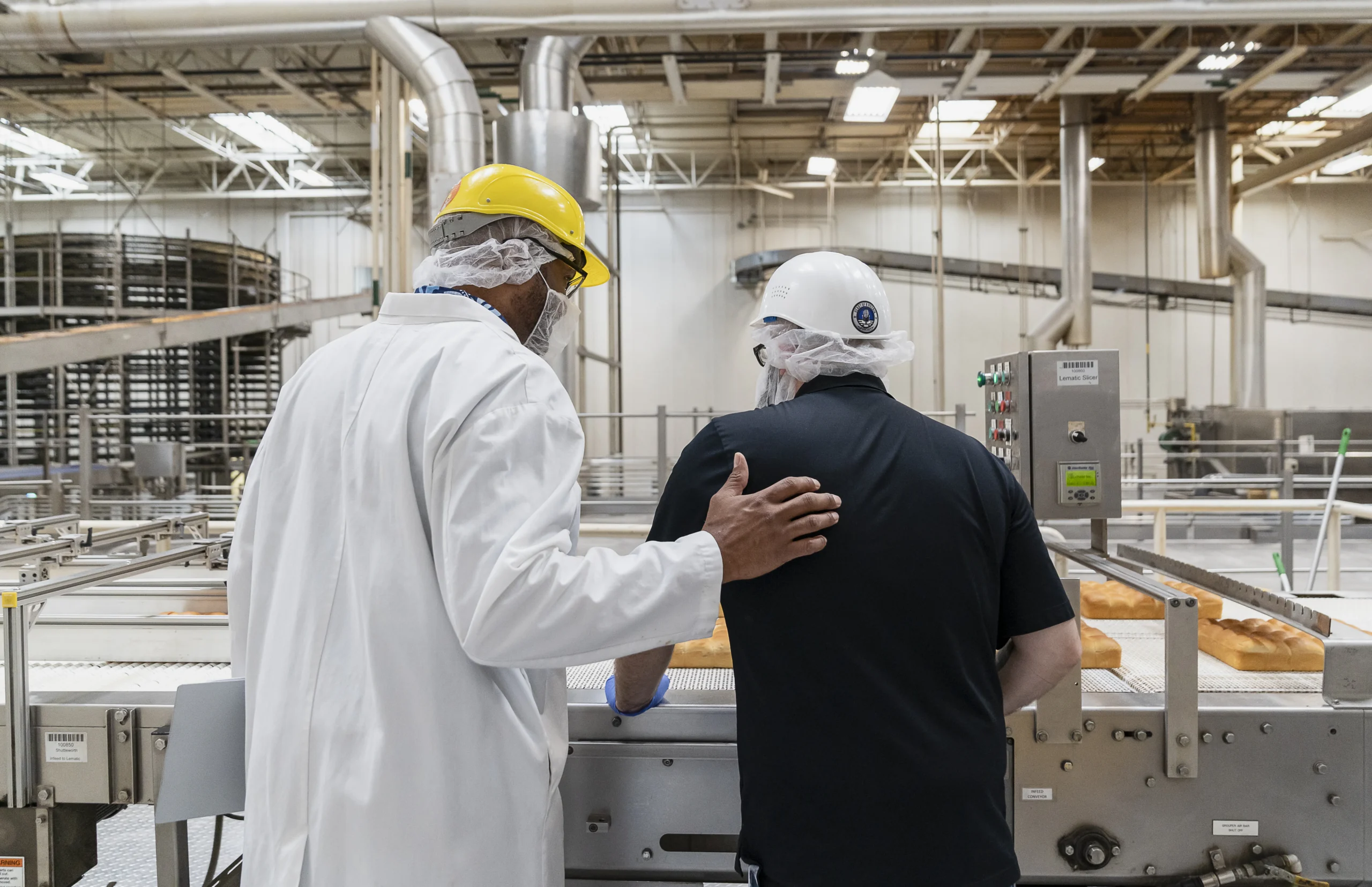
As Atlanta’s food-processing operations look forward, stainless-steel fabrication has become essential to maintaining uptime. The demands placed on production cycles have grown tighter, and the margin for microbial risk has grown smaller. Stainless systems not only meet sanitation standards more easily; they hold up under heavy use, frequent washdowns, and aggressive cleaning protocols. In several recent Atlanta-area projects, high-purity stainless spools were prefabricated off-site so that tie-ins could be executed within narrow outage windows. This approach dramatically reduced time spent in production environments, minimized exposure to temperature-sensitive product lines, and allowed facilities to ramp back up quickly after modifications. For the plant manager, the result isn’t just a cleaner system — it’s a more predictable one, and predictability is the currency that keeps food and beverage operations profitable.
One of the overlooked realities of Atlanta’s food-processing ecosystem is how varied it is. A beverage bottling plant in Clayton County has completely different sanitary requirements than a poultry operation in Gainesville or a dairy processing line in Fulton County. Yet all of them share the same pressure: deliver consistent, safe product at scale. That pressure has encouraged many facilities to reconsider how their CIP systems are designed and how effectively those systems can reach every part of their process piping. Upgrading these networks often requires a thoughtful mix of design, material selection, pump sizing, and flow-path optimization. In older facilities, it might also involve reconfiguring piping that was installed long before high-frequency clean-in-place cycles became the norm. The goal is not just to meet compliance, but to design a system that works with operators rather than around them.
When talking about upgrades, case studies tend to speak louder than abstractions. While confidentiality prevents naming specific facilities, recent Atlanta-area projects include a bakery that needed to increase throughput without compromising sanitation, a specialty beverage producer that required a redesign of its cooling and blending lines, and a refrigerated foods plant that faced recurring contamination risk in an aging utility corridor. In each scenario, the solution wasn’t a single technical fix but a broader rethinking of how sanitary piping interacts with production, maintenance, and future expansion plans. Prefabrication played a role. So did stainless-steel upgrades, improved CIP routing, and strategic tie-ins built around narrow downtime windows. The common thread was that each facility emerged with a piping system that supported growth rather than slowed it.
As Atlanta’s food and beverage industry continues to expand, the plants that win will be the ones that treat sanitary process piping as a core investment rather than a maintenance afterthought. Whether upgrading aging systems, expanding production lines, or converting unconventional spaces into food-safe environments, the region is entering an era where piping isn’t just a conduit — it’s an operational advantage.
Our team is here to help.
Contact a project manager today!