
A maintenance list that says “repair steam leaks” leaves too much undecided. Which locations are included? Are the findings confirmed? Can the crew reach the work? What must be ready before the affected process returns to service? In a paper mill, those unanswered questions can consume a limited outage window.
Planning steam and condensate repairs starts by turning operating observations into a defined work package. Maintenance, operations, engineering, and the contractor need the same understanding of the problem, the approved repair, and the evidence required at handover.
Separate observations from confirmed repair work
Start with a list of reported symptoms and their locations. Record when each issue occurs, which equipment is affected, and what the operations team has observed. Note whether the condition is continuous, associated with startup, or limited to a particular production condition. Attach recent survey findings where available.
Do not automatically turn every suspected steam-trap problem into a replacement order. Spirax Sarco’s guidance on steam-trap testing and maintenance emphasizes accurate diagnosis and explains that changing system conditions can complicate interpretation. Have qualified personnel confirm the findings and specify the response.
Mark each item as ready for execution, awaiting investigation, or dependent on another decision. This keeps unresolved work from being treated as a firm installation commitment.
Prioritize by the process affected
A useful priority list connects each repair to an operating consequence. Ask operations which equipment or area depends on the affected steam supply or condensate return. Identify work that must be completed during the planned outage and work that can be considered separately.
For a pulp and paper facility, the work package should name the affected process area rather than rely on a broad building description. Include the asset reference, current drawing, and a photo showing how to locate the item. Similar-looking components in neighboring areas can otherwise make a small scope surprisingly difficult to coordinate.
Define piping and access requirements together
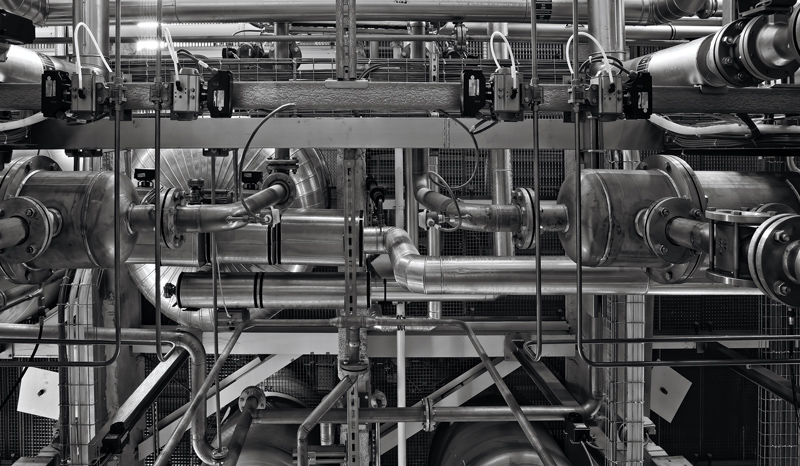
A replacement component is not the whole installation scope. During the walkdown, document the surrounding piping, supports, insulation, and access conditions. Ask the responsible engineer or equipment specialist to identify the approved materials and installation requirements. Determine which dimensions need field verification before parts are ordered.
- Identify the boundaries of each proposed repair.
- List any insulation removal and reinstatement included in the work.
- Confirm who supplies access equipment and prepares the work area.
- Identify lifting or handling needs for replacement assemblies.
- Record other trades or inspections that must be coordinated.
Where repairs include new sections of process piping, separate fabrication, installation, inspection, and reinstatement in the scope. This gives bidders a clearer basis for estimating and helps the facility compare proposals that cover the same work.
Prepare an outage sequence with named handoffs
Use the mill’s approved isolation and permit procedures to establish when each work area can be released. Assign a facility contact for release, a contractor lead for execution, and the appropriate reviewer for completed work. Include the time required to confirm that the work package is ready before the outage starts.
Set a process for discoveries after equipment is opened or insulation is removed. Who can approve additional work? Which spare materials are available? What information must accompany a change request? Answering these questions in advance makes unexpected conditions easier to manage without assuming every repair will be straightforward.
Close the work order with a usable baseline
Define the required inspection, testing, and return-to-service checks for the actual project. Record what was repaired, what remained outside scope, and which drawings or asset records changed. Ask operations to document relevant observations after the system is returned to service under the facility’s procedures.
Feed those findings into the next preventive maintenance review. A clear closeout record helps future teams distinguish a new issue from an unresolved one.
Planning a paper mill maintenance outage? Contact Midsouth Mechanical with the survey findings, asset list, and proposed outage dates to discuss the mechanical repair scope.